

Designers are increasingly turning to platforms like Behance, Dribbble, or Pinterest for inspiration. You, too, are accustomed to using any of those platforms as a way to find ideas before settling on a design layout.
While using other artistic works as inspiration is acceptable, one thing is certain: being inspired and straight-up copying designs aren’t the same. The latter will result in infringement, especially since design copyright protects all artistic works.
Despite being a popular concept among designers, many are still unclear about how design copyright works and how it will benefit them. So, in this article, we’ll walk you through the process of fully understanding this protective measure for design works.
Read on to find out more about design copyright!
What Is Design Copyright?
Design copyright refers to legal rights given to the original designers. It recognises their expression of ideas and design thinking as intellectual property that must be protected from being reproduced, published, or commercialised by others without their consent.
This being said the designs you found on Behance, Dribbble, or Pinterest are protected by design copyright. You can use those designs as inspiration, but you have to draw the line between being inspired and straight-up duplicating.
Here’s a rule of thumb: when you’re inspired by a design, you take the main concept and develop it with your creativity. On the other hand, duplicating means copying a work of art without adding any new ideas to it, which you must avoid.
Duplicating a design will put designers at risk of infringement, as it violates intellectual property rights and undermines the efforts given by the original creators. As a result, not only will they compromise their integrity, but they will also be subject to legal consequences.
Why Design Copyright Is Important?
Design copyright is important because it protects the creativity and innovation made by the original designers, no matter if you are a professional or a student in graphic design course. Given that the efforts to realise abstract ideas into tangible forms are difficult, it must be respected and the form of copyright.
With this rule, every design will be considered as an intellectual property. Anyone must respect the recognised intellectual property by not reproducing, publishing, or commercialising the piece of art unless they expect to deal with infringements.
Think of it as a way to tell others that the designs you created are truly yours. You want others to respect all the efforts you’ve put into creating them, including the process of honing your skills through design courses and crafting the design elements into enticing layouts.
No one should try to duplicate, publish, or commercialise your designs without your permission, knowing that the process of creating them isn’t easy. The least people can do to respect your piece of art is by not replicating it without your permission.
Design Copyright, Patent, And Trademark: What Are The Differences?
Apart from copyright, you may also be familiar with other terms in the world of design, namely patent and trademark. What are they and how are they different from design copyright? Look at the explanation below:
Copyright
Image source: Freepik.com
In the context of design, copyright is given to the original designers. It protects their expression of ideas in tangible forms (e.g., graphics, logos, and product designs) from being published, duplicated, or commercialised without their approval.
All the designs created are automatically copyrighted. The original creators are the ones who have exclusive rights to control in terms of how they reproduce, distribute, and display their pieces of art.
Patent
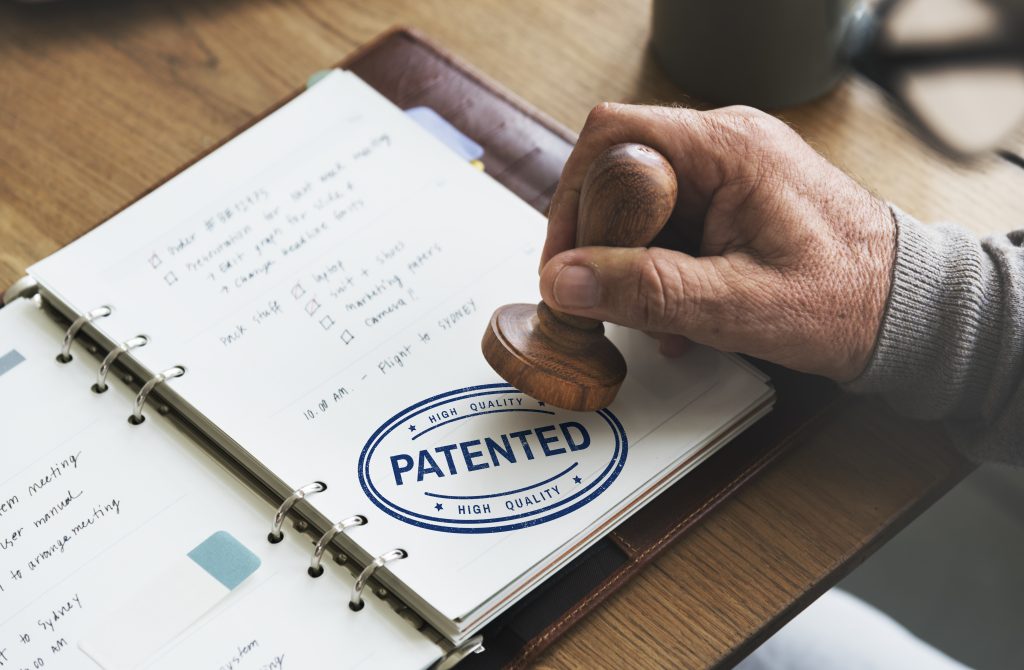
Image source: Freepik.com
A design patent refers to legal protection that safeguards the unique visual qualities of ornamental products’ designs from being duplicated. Unlike a design copyright, a design patent requires a formal application and is effective once it’s granted by the government.
A design patent is granted if the ornamental product has a truly unique and easily distinguishable design from other products. If this is the case, only the patent holders have the exclusive right to manufacture, use, and sell their inventions.
Trademark
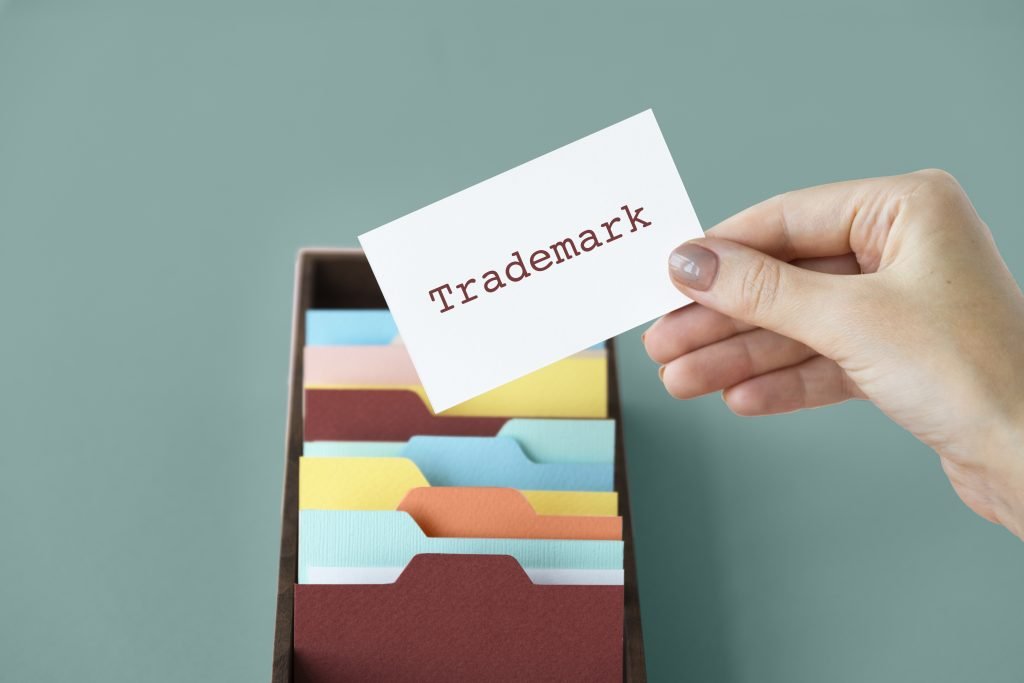
Image source: Freepik.com
Trademarks refer to distinctive logos, symbols, signs, and other visual identities that differentiate brands from one another. Each company must first register its trademark to get the exclusive rights to the visual identity.
Trademark also helps customers to associate certain designs with the quality and origin of the goods or services. In turn, the providers can build and maintain a strong brand reputation in the market.
Overall, brands can safeguard their unique visual elements through trademark registration. This ensures that their competitors can’t imitate or use similar designs, preventing confusion among consumers.
Creative Commons
While copyright offers valuable protection for your design creations, sometimes you might prefer a less restrictive approach. This is where Creative Commons licences (CC) step in, acting as friendly bridges between your work and the wider world. Imagine CC as a set of pre-defined agreements you can attach to your design, specifying exactly how others can use, modify, and share it.
Think of it like a buffet of permissions: you choose which “dishes” – like remixing, commercial use, or non-commercial use – you’re happy to offer, and CC takes care of the legalese. The beauty lies in the flexibility. Want everyone to appreciate your design with attribution? Choose CC BY. Craving the potential for your work to evolve through adaptations? CC BY-SA might be your pick. With six main licences and numerous variations, you can tailor the openness to your comfort level, fostering collaboration and creative reuse while still retaining rightful ownership. So, next time you share your design, consider adding a CC licence – it might just unlock unexpected avenues for appreciation and inspiration.
How Do I Copyright My Design?
Every design you create will automatically have a copyright. So, you don’t need to formally register for the copyrights as you’d do with patents and trademarks.
So, if you upload your designs on online platforms like Behance, Dribbble, or Pinterest, no one can duplicate or commercialise them without your consent. Anyone who violates your copyright designs is subject to infringement for their unethical act.
However, if you don’t mind people using your designs, you can make a statement in the copyright notices. State that using your designs for specific purposes is acceptable, so those who wish to use them don’t need to contact you personally for approval.
Is Design Copyright Transferrable?
Design copyright, which is given exclusively to the original designers, is transferable. When a designer works for a company or freelancing, it’s common to pass it on to the employers.
How does the design copyright transferring process work? Take a look at the following explanation:
Copyright Transfer In Employer Contract
The design copyright that you previously owned will be transferred to your employer in the employer contract. So, when you work as a designer for a company, all of the designs you’ve created will automatically become the intellectual property of your employer.
So, even though you are the one who creates the visual layouts, your employer has the right to use your designs however they wish. This includes publishing and selling your pieces of work.
As the original creator, you no longer have control over your designs. Thus publishing or selling your designs is no longer permitted without your employee’s permission.
Copyright Transfer in Freelancing Projects
Designers have more freedom in how they transfer their design copyrights within freelancing projects, unlike employer contracts where all copyrights automatically belong to the employers.
There are mainly two options that freelance designers have when it comes to copyright transfer. First, they may retain the copyright to their designs and grant clients specific usage rights. Second, they may transfer full ownership of the design to the client in exchange for compensation.
Freelance designers need to discuss which copyright transfer they prefer before signing the contract. This ensures that there are no disputes or misunderstandings regarding the use and reproduction of the design in the future.
What Should I Do When Someone Duplicates My Design?
Discovering that someone has duplicated your design can be frustrating, but there are several steps you can take to address the situation. Here’s a general guide on what you can do when someone duplicates your design:
- Gather Evidence
Gather evidence to prove that your design was created first and there’s a clear case of duplications. Among the documents you should prepare include timestamps on drafts, design files, and emails that can prove the originality of your work.
- Contact The Offending Party
Reach out to the individual or entity that duplicated your design. Explain your concerns and provide evidence that the infringed copyrighted design is your original work. In some cases, there may be a misunderstanding, and the other party will be willing to remove the design.
- Cease And Desist Letter
If communication with the offending party doesn’t bring a resolution, consider sending a formal cease and desist letter. In the letter, you need to outline your rights, present the evidence of infringement, and demand that they stop using or reproducing your design.
- Consult Legal Advice
If communication and sending cease and desist letters don’t resolve the issue, you can seek legal advice. They can advise you on the best course of action and help you understand the options available to protect your intellectual property rights.
- Register Your Design
While design copyright is automatically given to you as the original artist, registering your design provides additional legal protection and makes it easier to pursue legal action. If you haven’t already, consider registering your design with the relevant intellectual property office.
- Evaluate Resolution Options
Decide whether you want to pursue a legal resolution, negotiate a settlement, or seek another type of resolution. The best course of action will be determined by the severity of the violation and your desired outcome.
Final Thoughts
Finally, our discussion about design copyright has come to an end. We hope you can understand this concept thoroughly to prevent you from dealing with infringement by duplicating designs and protecting your works from being duplicated.
Now if you want to learn more about design and build your profession as a designer who is not only talented but also ethical, it’s time to join graphic design courses at Asian Screen Institute!
Led by practitioners, we’ll help you bring your creativity to future career endeavours while instilling a strong foundation in ethical design practices.
Contact us today and we’ll gladly answer any questions you have!
FAQs
What is the difference between a design copyright and a design patent?
Design copyright is something you automatically earn after publishing your design. It doesn’t entail formal registration as a design patent that serves as a mark that a design is unique and represents a certain company.
What type of intellectual property is a design?
Design is intellectual property that belongs to the ‘creation of mind’ type, along with symbols, inventions, as well as artistic and literary works.


